
Review of Fetishism in Fashion, MOBA 2013
/by Philip Warkander
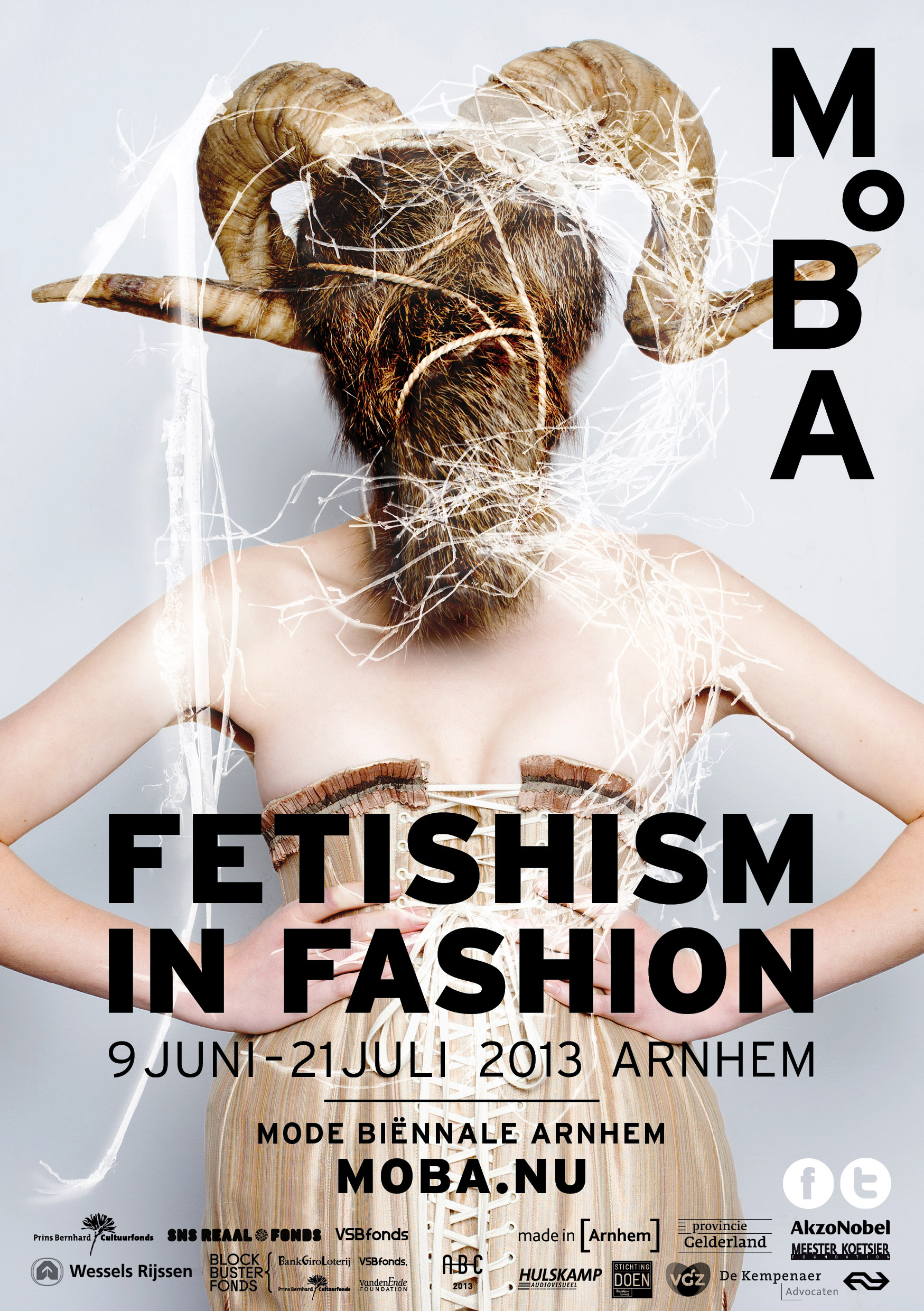
“We are born in bondage, a cord wrapped around our baby body”, curator Lidewij Edelkoort stated in her introductory speech to this year’s Mode Biënnale in Arnhem, Fetishism in Fashion, open June 9 through July 21. During an interview, she tells me that the starting point of the exhibition is the trauma a child experiences after birth when it is separated from its mother through the cutting of the umbilical cord, resulting in a lifelong search after new unities to be part of. According to Edelkoort, this feeling of lack explains the charm bracelets around our wrists and crucifixes around our necks; magical substitutes for the physical connection between mother and child that was lost at birth. For the biënnale, Edelkoort has chosen 13 different perspectives on the theme of fetishes, presented in separate rooms along long corridors, ranging from patriotism to sado-masochism, the common denominator defined as attempts to reconnect and retrace what was lost at birth, to find meaning in matter.
Philosopher Sara Danius has claimed that when fashion evolved into a modern industry in the nineteenth century, fashion objects took the place of religious artifacts and became the new fetishes of the emerging consumer society. At the Arnhem biënnale, this is made especially evident in the rooms devoted to spirituality and shamanism, but also in the room devoted to high-speed consumption, labeled “consumerism”. Designers such as Written Afterwards (Japan), Luke Brooks (UK) and Kosuke Tsumura (Japan) have integrated a critique of fast fashion into their design, creating outfits out of worn-out shoes, plastic flowers and disposable waste products. On the theme of “infantilism”, designer objects are mixed with large plastic pacifiers and milk bottles found through online fetish sites, creating interesting hybrid expressions of fashion, innocence and pornography, in pastel colors but with a dark edge. According to a text in this room, this demonstrates how “the choice of baby clothes, diapers and coddling textiles expresses a need for being cared for and a wish to never grow up [...]”.
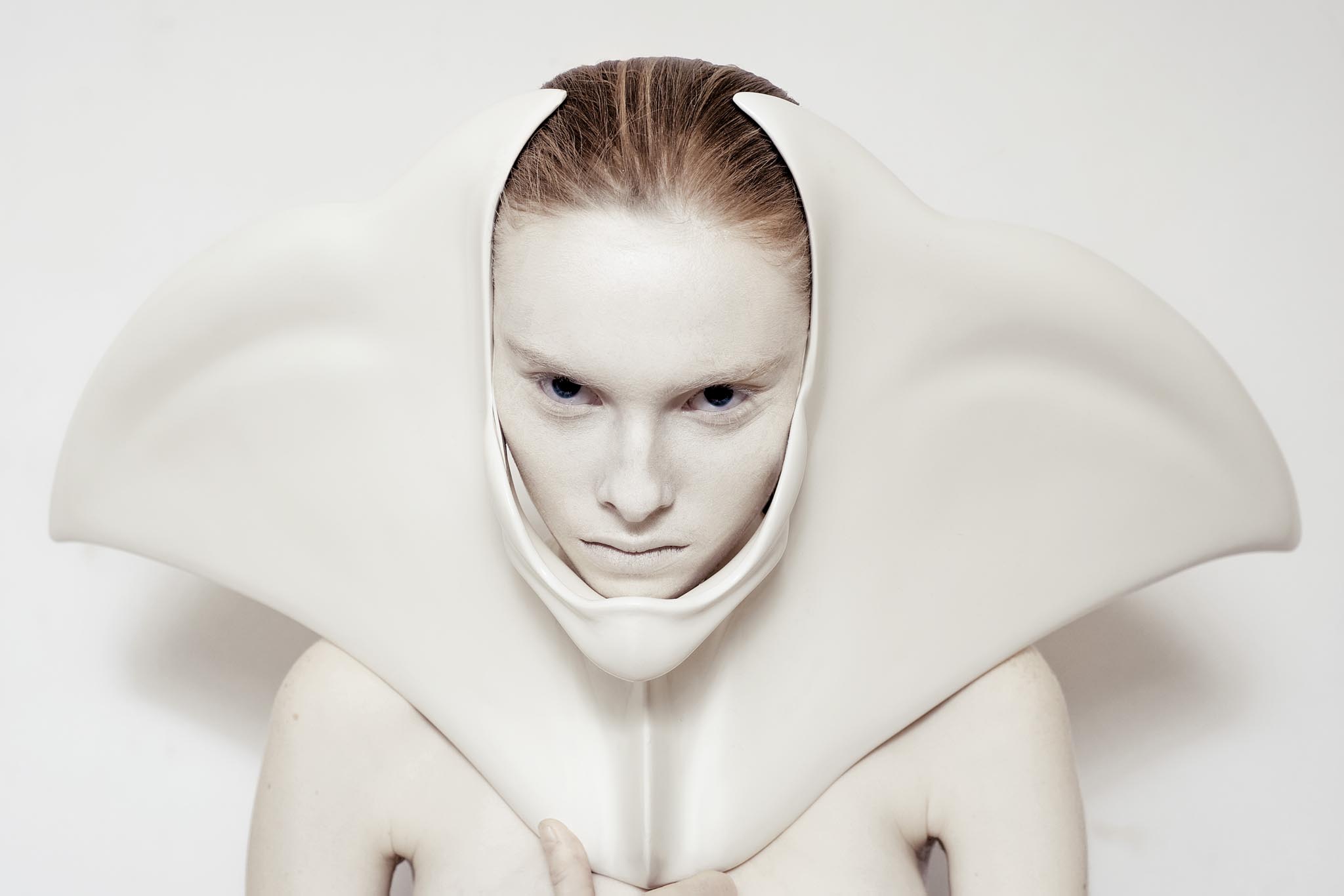 Ana-Rajcevic, photo by Fernando Lessa
Many of the objects at the biënnale are created by emerging designers rather than by established fashion houses (even though Prada, Vivienne Westwood and Jean-Paul Gaultier are represented, and a film of the Dior couture show S/S 2007 is showed as a sign of “nipponism” being a contemporary fetish). Edelkoort tells me that this is because the traditional fashion houses did not live up to the requirements of the exhibition, but the lack of designs by brand such as Givenchy, Versace and Maison Martin Margiela, otherwise a given considering the theme of fetishism, nevertheless raises a few questions concerning the selection process. Also, curating a theme of “nudism” by “using the colours of our own skin” but only including beige objects unfortunately enhances the Caucasian norm already strongly prevalent in Western society, as does the naïve statement (returning to “nipponism”) that, “Japanese people have an innate knowledge of how to package and fold geometry into form [...] it can possibly be considered the most fetishistic culture in the world, where each rule and move is codified and all aspects are about attachments.” This kind of simplification of an entire culture obscures the important Japanese presence in fashion rather than elucidating and explaining the many interesting interrelations between western and eastern influences and actors within the industry.
Edelkoort has been aided by a number of other designers, curators and artists – all in different ways connected to Arnhem and its ArtEZ Institute of the Arts – who in different ways have contributed to the biënnale. Under the fitting rubric “Elevation”, footwear designers Marijke Bruggink and Marlie Witteveen have investigated the central role of high heels in fetishistic fashion. In particular, their exploration of stilts and clogs is worth mentioning, demonstrating beautiful and intricate wooden constructions, with particular care given to displaying shoes that are actually possible to walk in. In a centrally located church in downtown Arnhem, the design duo People of the Labyrinths have been given free hands to construct an art installation, investigating the fetishistic position of fashion objects in comparison to relics, traditions and rituals within various religions. For example, a Catholic monstrance is placed next to Hermès’ Kelly-bag at the end of a long red carpet, while a neon sign spells out the words “make-believe” in the church ceiling. And in the Zypendaal Castle just outside of the city, menswear designers Ravage have curated an exhibition based on their fascination of style codes in menswear, focusing on objects such as underwear, shoes and neckties.
To briefly summarize, the 2013 biënnale combines an international perspective on mainly emerging designers with an explicitly Dutch team of curators. This gives the exhibition both global and local dimensions, creating tension in some areas while in others presenting humoristic approaches and in-depth explorations of how fashion can operate as a research tool in order to understand Western society’s ultimate fetishes.
Philip Warkander recently completed his PhD in Fashion Studies, and is currently working as a freelance fashion writer and consultant, while also teaching fashion theory and gender studies in Stockholm.
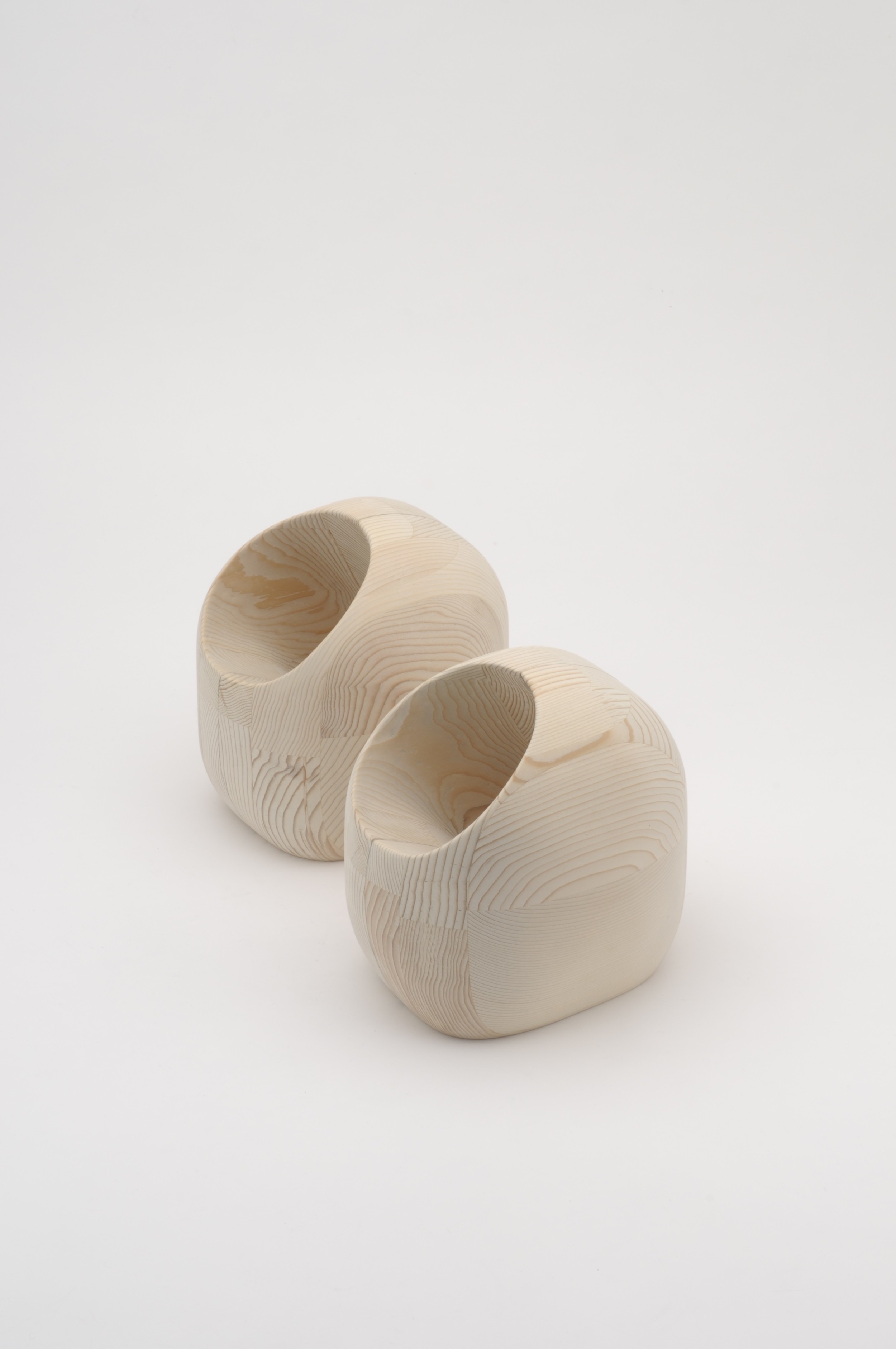 Yu Otaku, Clogs
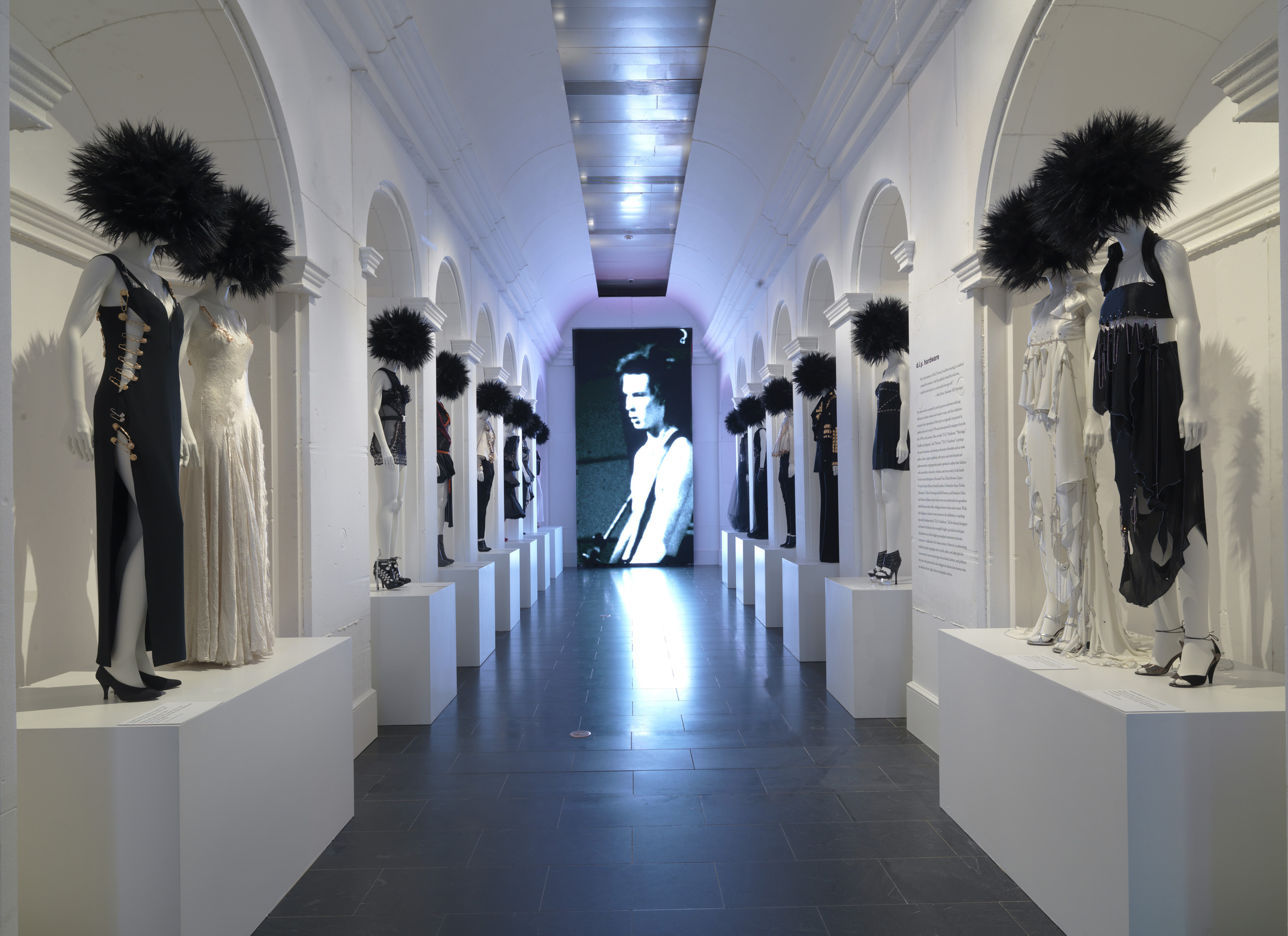


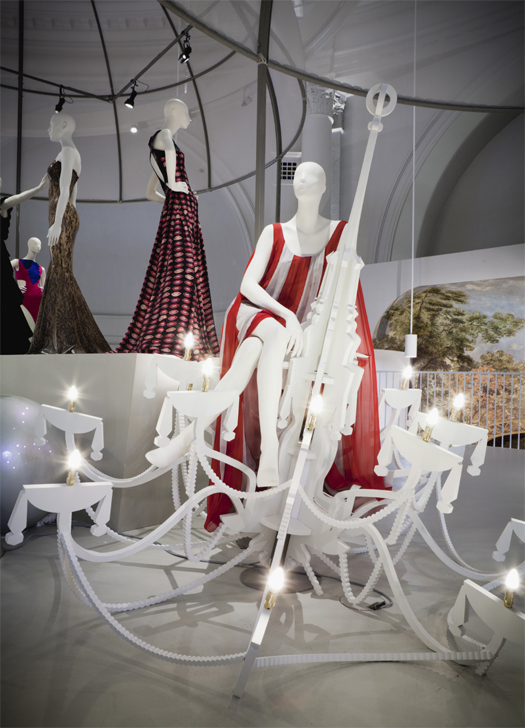
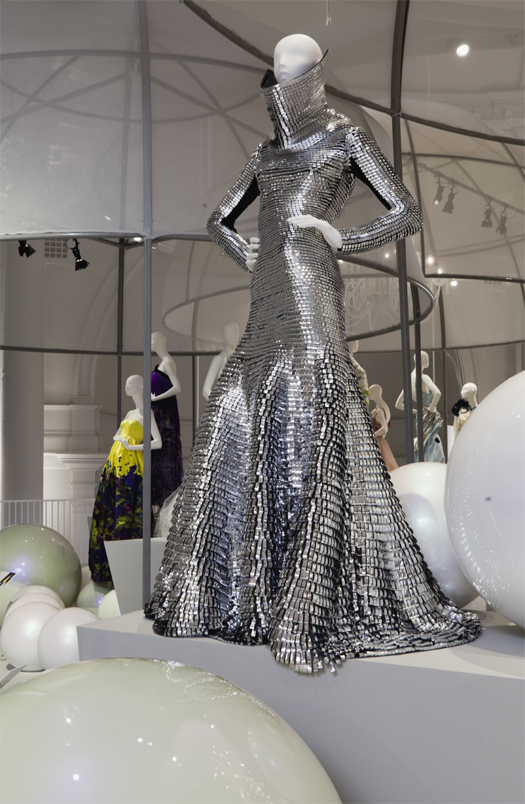


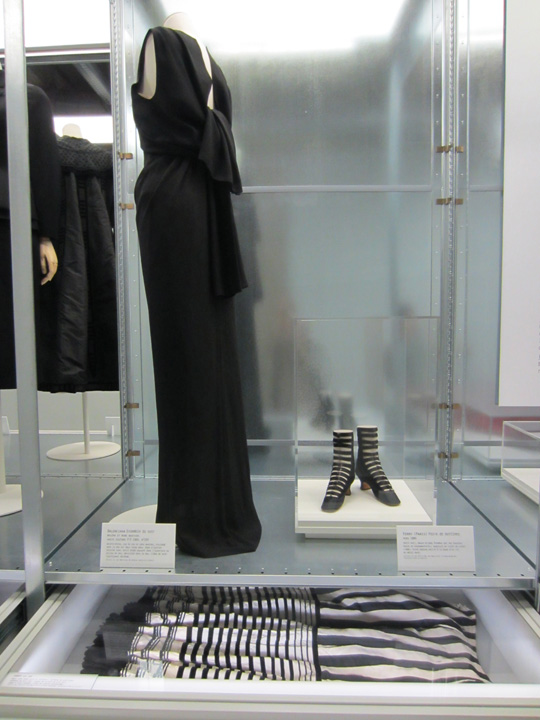

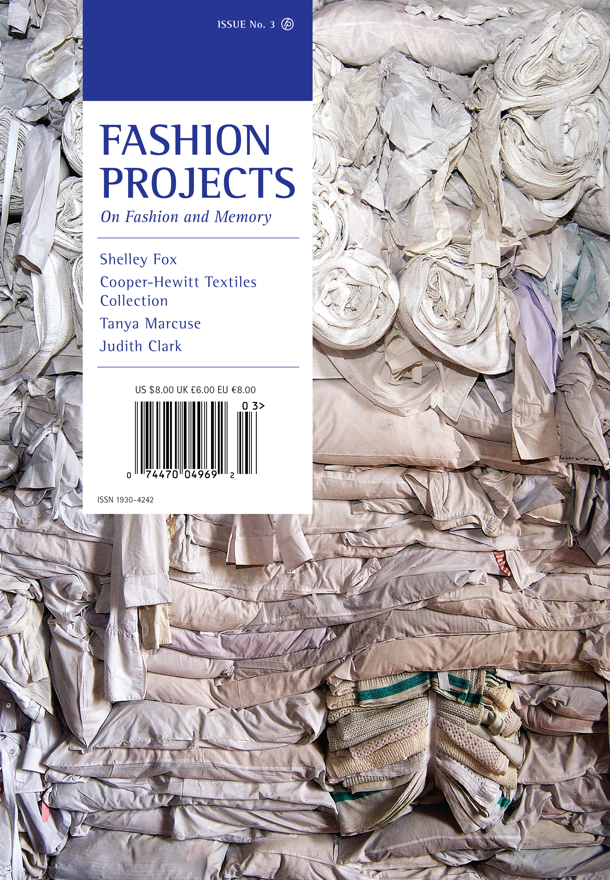


Fashion Projects #5 is devoted to fashion curation, examining the meteoritic rise in relevance of fashion exhibitions.
It features interviews with an eclectic assortment of leading practitioners from different corners of the world. The issue includes long Q&As with Harold Koda, the longtime, recently retired curator of the Met’s Costume Institute, as well as the Museum at FIT’s veteran leader Valerie Steele. It also features interviews with curators in Antwerp (the ModeMuseum’s Kaat Debo), Toronto (Royal Ontario Museum’s Alexandra Palmer) and Venice (Maria Luisa Frisa); academics studying the field (Hazel Clark, Annamari Vänskä, and Alistair O’Neill); and, giving an on-the-ground perspective, the Met’s head conservator, Sarah Scaturro. The issue’s cover stars Greer Lankton’s sculptural representation of legendary Vogue editor and Costume Institute doyenne Diana Vreeland, who continues to loom over the field years after her death.
Table of Contents
Introduction
Showmanship and History: An Interview with Harold Koda by Francesca Granata
Woman of Steele: An Interview with Valerie Steele by Lisa Santandrea
Exploring Fashion’s Openness: An Interview with Kaat Debo by Alex Esculapio
London, After a Fashion Curator: An Interview with Alistair O’Neill by Alexis Romano
Curation and Conservation: An Interview with Sarah Scaturro by Mae Colburn
Reflections on Fashion Curating
An Interview with Hazel Clark and Annamari Vänskä
Fashion in the Vast Museum: An Interview with Alexandra Palmer by Ingrid Mida
Restless Curating: An Interview with Maria Luisa Frisa by Marco Pecorari