Clothing can be a visual mirror of our inner selves. We each get dressed in the morning and make choices how to present ourselves to the world. We construct our identity with our choice of clothing and accessories and signal our belonging or not. This expression of identity through dress makes it a ready subject for artistic practices and interpretation and both artists and designers have considered notions of the body and identity as articulated through fashion.
There has been much debate about whether fashion is art. Fashion scholars such as Sung Bok Kim, Sandra Miller, Anne Hollander and Elizabeth Wilson have considered the question. In my interviews with four curators and scholars, including Matthew Teitelbaum of the Art Gallery of Ontario, Nathalie Bondil of the Montreal Museum of Fine Art, Valerie Steele of the Fashion Institute of Technology and Harold Koda of the Metropolitan Museum of Art, there was no consensus. This was not surprising to me given that fashion designers themselves do not agree on whether fashion is art.
It was an instinct – as a result of my work as an artist - that led me to frame the question in a different way. Instead of asking “is fashion art” it seemed to make more sense to ask “when does fashion become art?” After all, both fashion and art require the translation of an idea into another form. Both share a visual vocabulary and process-oriented development. Both fashion and art also have commercial aspects driving their conception. And both can include multiples as elements of a series or collection.
But, not all fashion is art. What falls into the realm of fashion is just too broad for that statement to be true, especially when fashion can include both garments of haute couture and trendy mass-produced items.
Changing the question to “When Does Fashion Become Art?” leaves open the possibility that some fashion might be considered art. This is especially true when contemporary art is defined by the expression of an idea or a concept. The object – whether painting, sculpture, video, installation or clothing – is important, but only in terms of the manifestation of the idea.
Nevertheless, ideas expressed in terms of fashion are accessible to audiences in a way that contemporary art often is not. One does not have to be a fashion scholar or understand the complex and divergent theories of how fashion works to decipher the language of clothing. We do it unconsciously every day and to me, it is this quality that makes fashion as art such a powerful statement.
Some curators have embraced the concept of fashion as art. Recent noteworthy exhibitions of this type have included The Concise Dictionary of Dress at the Blythe House, London in May 2010, Rodarte, States of Matter at the Museum of Contemporary Art Los Angeles in March 2011, McQueen: Savage Beauty at the Metropolitan Museum of Art in New York in May 2011 and The Fashion World of Jean Paul Gaultier at the Montreal Museum of Fine Art in June 2011.
Within each of these exhibitions, fashion was presented as a means of conveying a specific conceptual premise. This premise was not just a source of inspiration, but was a message or statement about society, identity or the body. And it is this aspect of fashion – when the form of expression is based on a thematic premise -- that defines for me the point at which fashion becomes art.
Ingrid Mida is a Toronto-based artist, writer and researcher who is interested in the intersection of fashion, art and history.





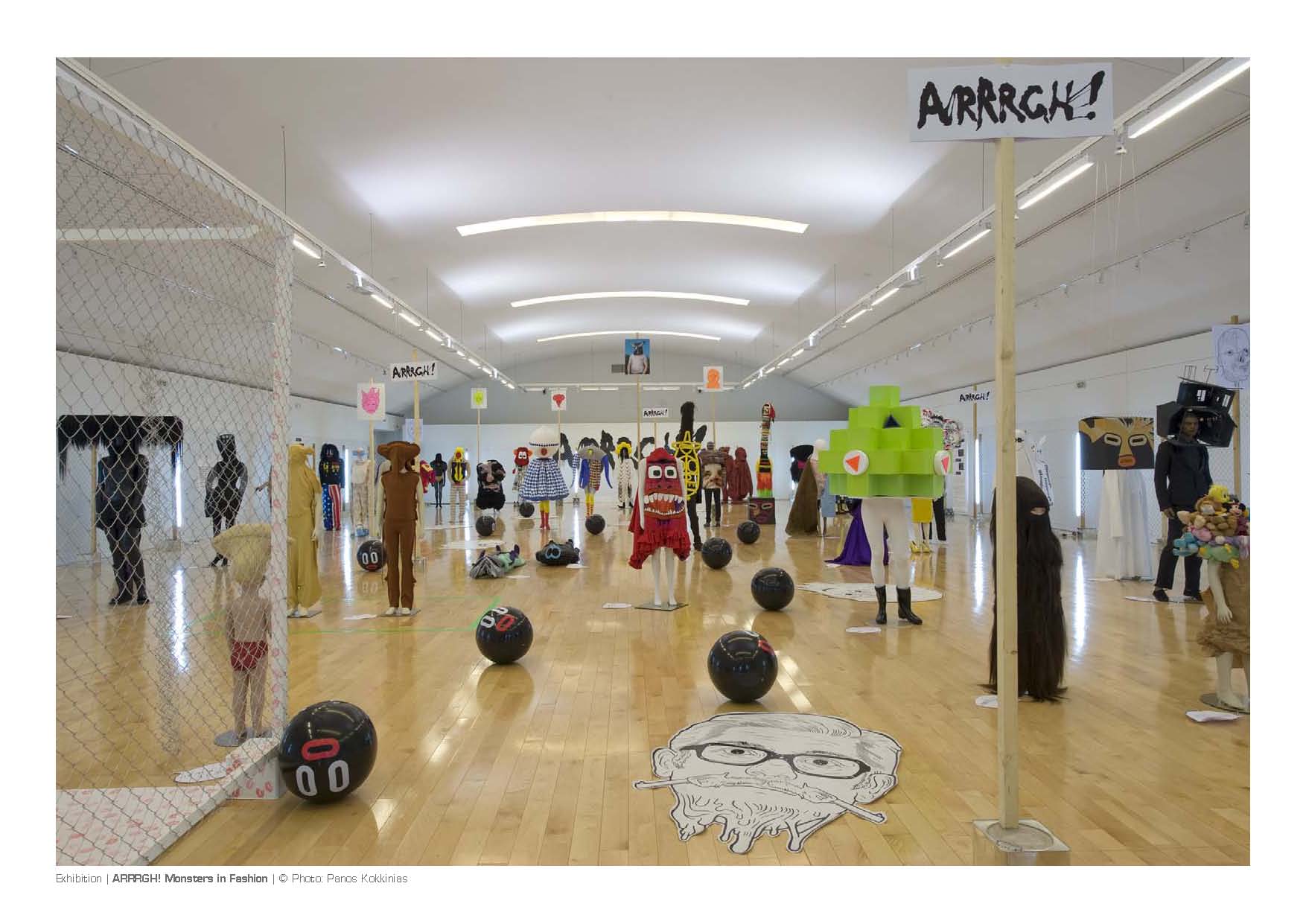

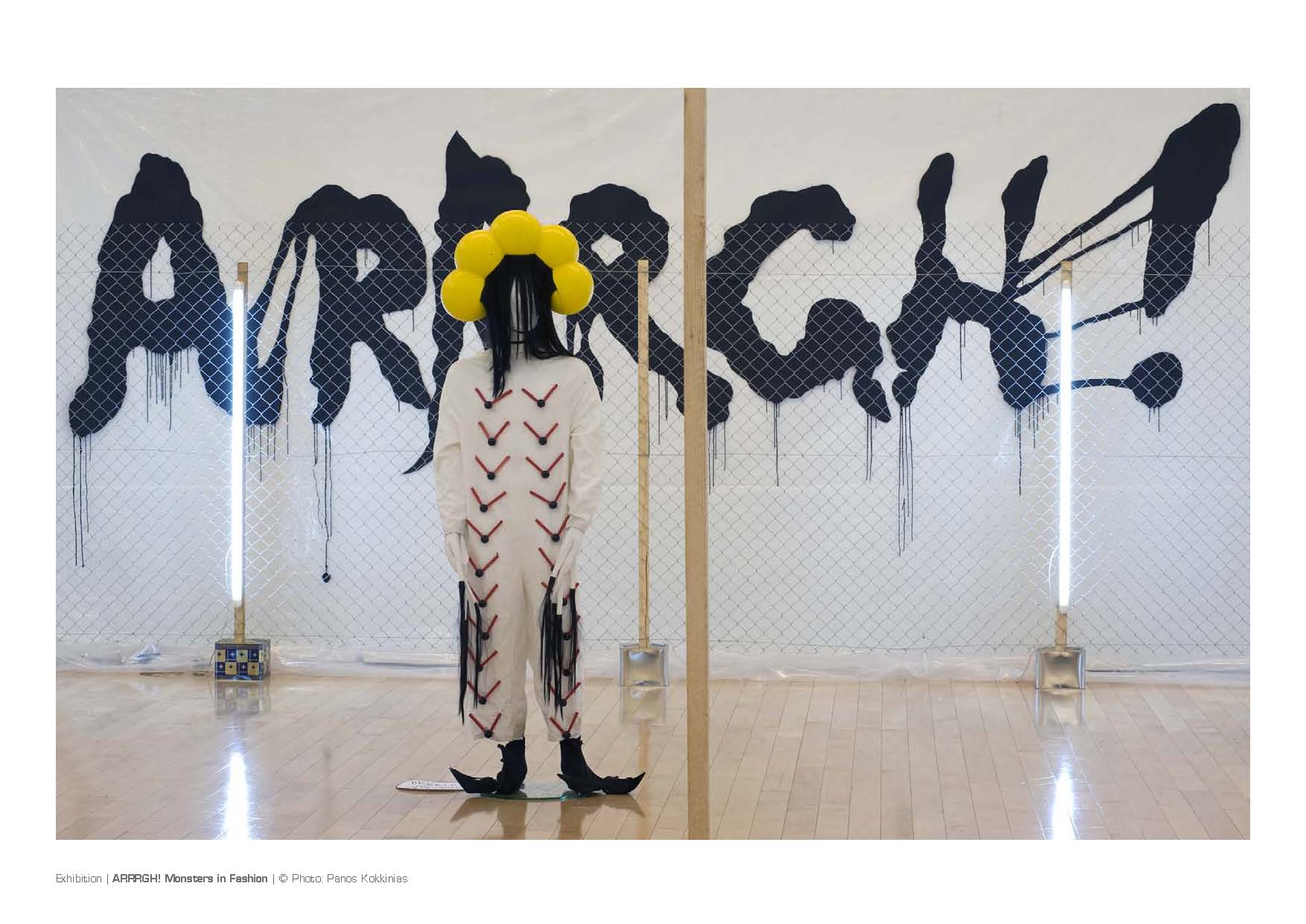

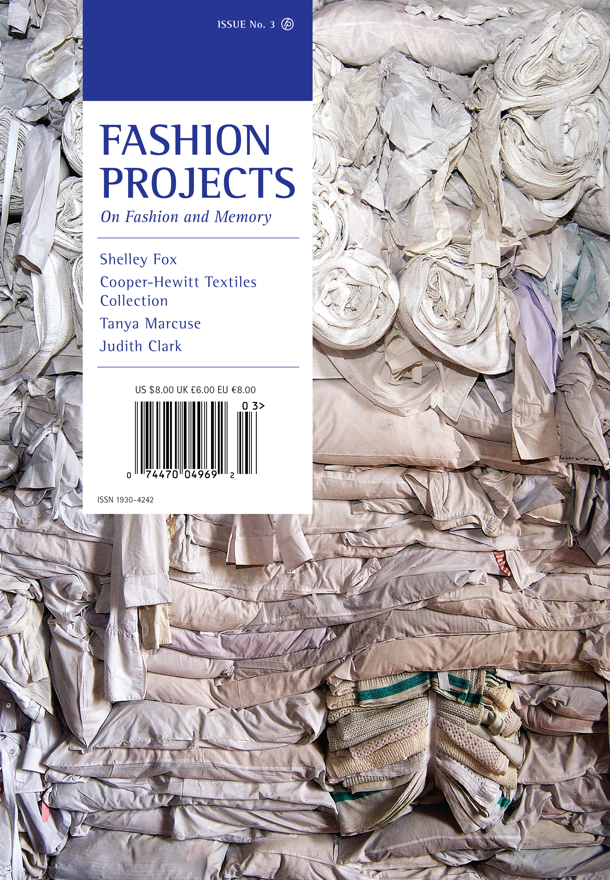


Fashion Projects #5 is devoted to fashion curation, examining the meteoritic rise in relevance of fashion exhibitions.
It features interviews with an eclectic assortment of leading practitioners from different corners of the world. The issue includes long Q&As with Harold Koda, the longtime, recently retired curator of the Met’s Costume Institute, as well as the Museum at FIT’s veteran leader Valerie Steele. It also features interviews with curators in Antwerp (the ModeMuseum’s Kaat Debo), Toronto (Royal Ontario Museum’s Alexandra Palmer) and Venice (Maria Luisa Frisa); academics studying the field (Hazel Clark, Annamari Vänskä, and Alistair O’Neill); and, giving an on-the-ground perspective, the Met’s head conservator, Sarah Scaturro. The issue’s cover stars Greer Lankton’s sculptural representation of legendary Vogue editor and Costume Institute doyenne Diana Vreeland, who continues to loom over the field years after her death.
Table of Contents
Introduction
Showmanship and History: An Interview with Harold Koda by Francesca Granata
Woman of Steele: An Interview with Valerie Steele by Lisa Santandrea
Exploring Fashion’s Openness: An Interview with Kaat Debo by Alex Esculapio
London, After a Fashion Curator: An Interview with Alistair O’Neill by Alexis Romano
Curation and Conservation: An Interview with Sarah Scaturro by Mae Colburn
Reflections on Fashion Curating
An Interview with Hazel Clark and Annamari Vänskä
Fashion in the Vast Museum: An Interview with Alexandra Palmer by Ingrid Mida
Restless Curating: An Interview with Maria Luisa Frisa by Marco Pecorari