Weird Beauty: Fashion Photography Now
/
Tim Walker, "Magic World," Vogue Italia, January 2008.
The International Center of Photography just opened four exhibitions to inaugurate their “2009 Year of Fashion,” including the contemporary Weird Beauty: Fashion Photography Now. Surveying recent fashion photography, the show includes magazine spreads alongside actual photographic prints. As noted by New York Times art critic Roberta Smith in her review of the show, the majority of the magazines featured are either European or Japanese, with the lone American titles, W magazine and the New York Times. Smith’s candid admittance that she was unfamiliar with most of these foreign publications was striking: Considering the importance of some of the titles in fashion circles (i.e. Vogue Italia and Purple), it goes to show the strict divide between fashion and art in the States. Perhaps the fashion exhibitions at the IPC will contribute to narrowing this divide.
Weird Beauty’s inclusion of the actual magazine spreads makes for an interesting contextualization of the photographs and gives its due to stylists and make-up artists, yet one would have hoped for more of the actual prints to be included. After all, an avid reader of fashion magazines would have seen a good number of these photographs on the printed page, and the museum could provide a different perspective on the work through blown-up prints. In fact, the photographs whose prints were included alongside the spreads stole the show. Particularly interesting were works which originally had been published in Vogue Italia. A black and white photograph by Tim Walker looks diaphanous, as it explores the transparency of fabrics like organza and tulle. It also points to the notion of prostethically altered bodies via a round egg-shaped ruffle “dress” worn by one of the models and a fork-like device (reminiscent of a prosthesis) that partially holds up the other model in the frame.

Deborah Turbeville, "Charlotte Gainsbourg" Vogue Italia
Other photographs that stand out are a portrayal of Charlotte Gainsbourg by Deborah Turbeville—an established photographer with an enviably long career—also in Vogue Italia. The shot is reminiscent of a turn-of-the-century Chaplinesque heroine. Also of notice are Surrealist-inspired photographs by Sara Van Der Beek for W Magazine, as well as the lighly disturbing photograph by Richard Burbridge, a close-up on an eye doused in candy pink liquid, and aptly titled Pink Eye.

Richard Burbridge, Pink Eye, 2008.
Francesca Granata

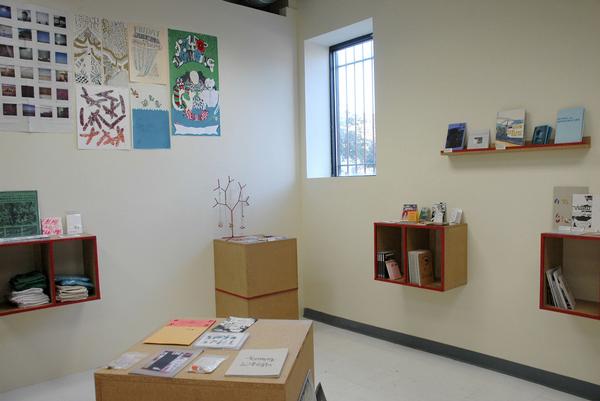
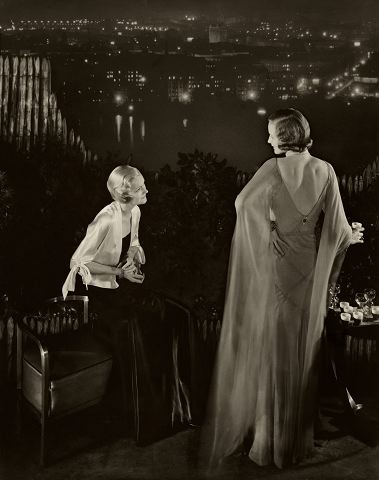
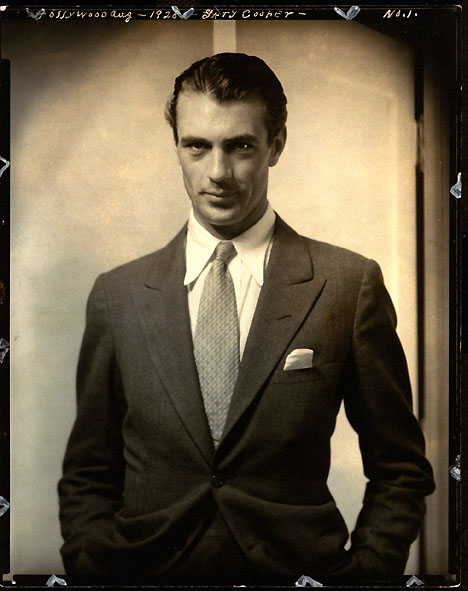
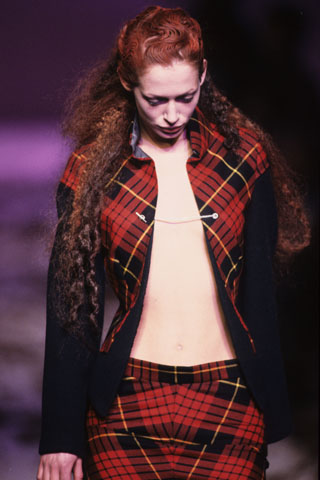
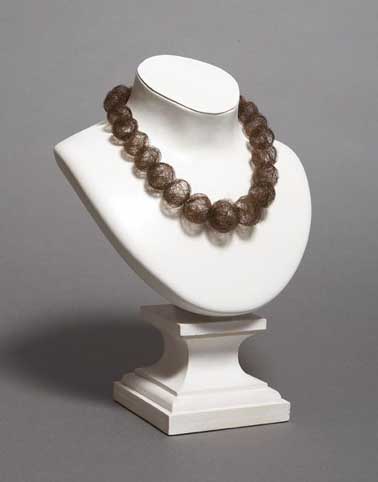

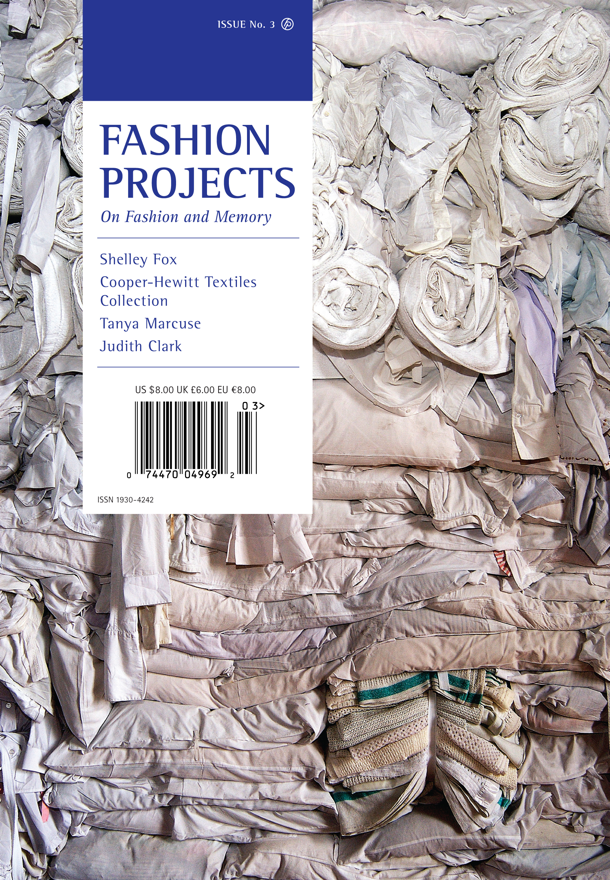

Fashion Projects #5 is devoted to fashion curation, examining the meteoritic rise in relevance of fashion exhibitions.
It features interviews with an eclectic assortment of leading practitioners from different corners of the world. The issue includes long Q&As with Harold Koda, the longtime, recently retired curator of the Met’s Costume Institute, as well as the Museum at FIT’s veteran leader Valerie Steele. It also features interviews with curators in Antwerp (the ModeMuseum’s Kaat Debo), Toronto (Royal Ontario Museum’s Alexandra Palmer) and Venice (Maria Luisa Frisa); academics studying the field (Hazel Clark, Annamari Vänskä, and Alistair O’Neill); and, giving an on-the-ground perspective, the Met’s head conservator, Sarah Scaturro. The issue’s cover stars Greer Lankton’s sculptural representation of legendary Vogue editor and Costume Institute doyenne Diana Vreeland, who continues to loom over the field years after her death.
Table of Contents
Introduction
Showmanship and History: An Interview with Harold Koda by Francesca Granata
Woman of Steele: An Interview with Valerie Steele by Lisa Santandrea
Exploring Fashion’s Openness: An Interview with Kaat Debo by Alex Esculapio
London, After a Fashion Curator: An Interview with Alistair O’Neill by Alexis Romano
Curation and Conservation: An Interview with Sarah Scaturro by Mae Colburn
Reflections on Fashion Curating
An Interview with Hazel Clark and Annamari Vänskä
Fashion in the Vast Museum: An Interview with Alexandra Palmer by Ingrid Mida
Restless Curating: An Interview with Maria Luisa Frisa by Marco Pecorari