
Madame Grés, Couture at Work
/by Ingrid Mida
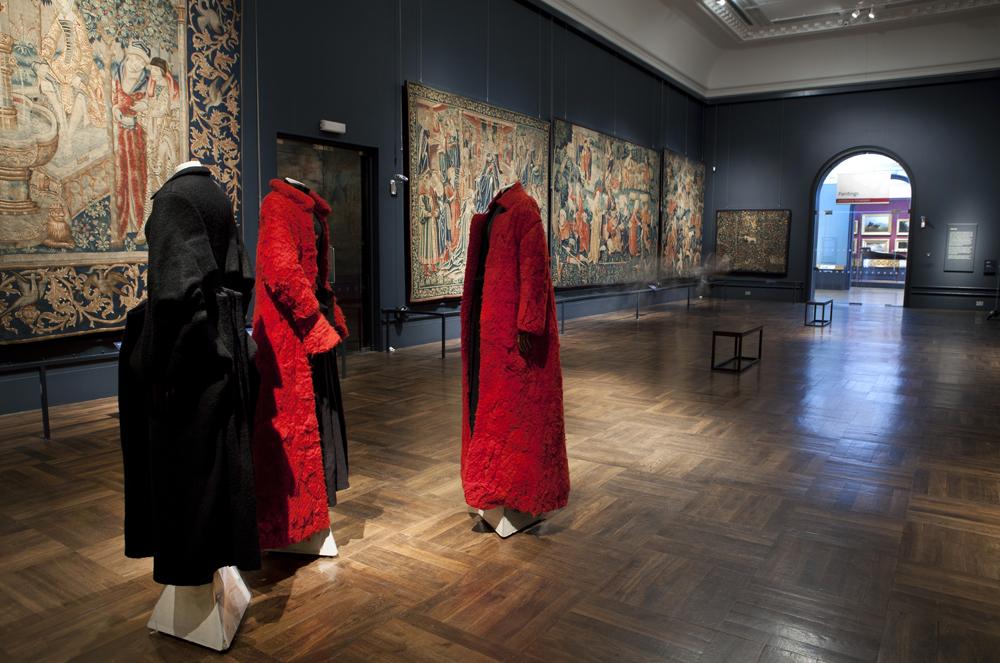
 Madame Grés, First Gallery.
Madame Grés once said: “I wanted to be a sculptor. For me, working with fabric or stone is the same thing.” Silk jersey was her medium and she dressed such women as the Duchess of Windsor, Jacqueline Kennedy Onassis, Nan Kemper, Marlene Dietrich, and Grace Kelly like “statues in the flesh”.
“Madame Grés, Couture at Work”, is a retrospective exhibition that opened in March in Paris. Presented by the Musèe de la Mode de la Ville de Paris (which is otherwise closed for renovations until 2012), the location could not be more perfect. Setting Madame Grés’ fabric sculpture creations amidst the bronze and stone sculptures of the Musèe Bourdelle highlights the purity of line and form that defines the clothing created by this master of couture.
 First Gallery
The first gallery is a monumental hall filled with massive sculptures. If not for the photographs from the exhibition poster at the far end of the hall, I would not have known I was in the right place. It took a few moments for my eyes to come to rest on the glass cabinet in the centre of the room. From a distance what looks like it might be a sculpture cut from fine white marble is actually a 1945 Madame Grés evening gown crafted out of silk jersey. Adjacent to it is a photograph by Willy Maywald and a toile of a half-completed Madame Grés dress with the shaping still defined by pins. This first gallery makes it clear that this is not a run-of-the mill retrospective. The juxtaposition of the sculptures and the classical forms of Madame Grés’ work adds contrast, beauty and vibrancy to both art forms. The presentation also references the famous photographs of Madame Grés work that included sculptures or Greek temples in the background.
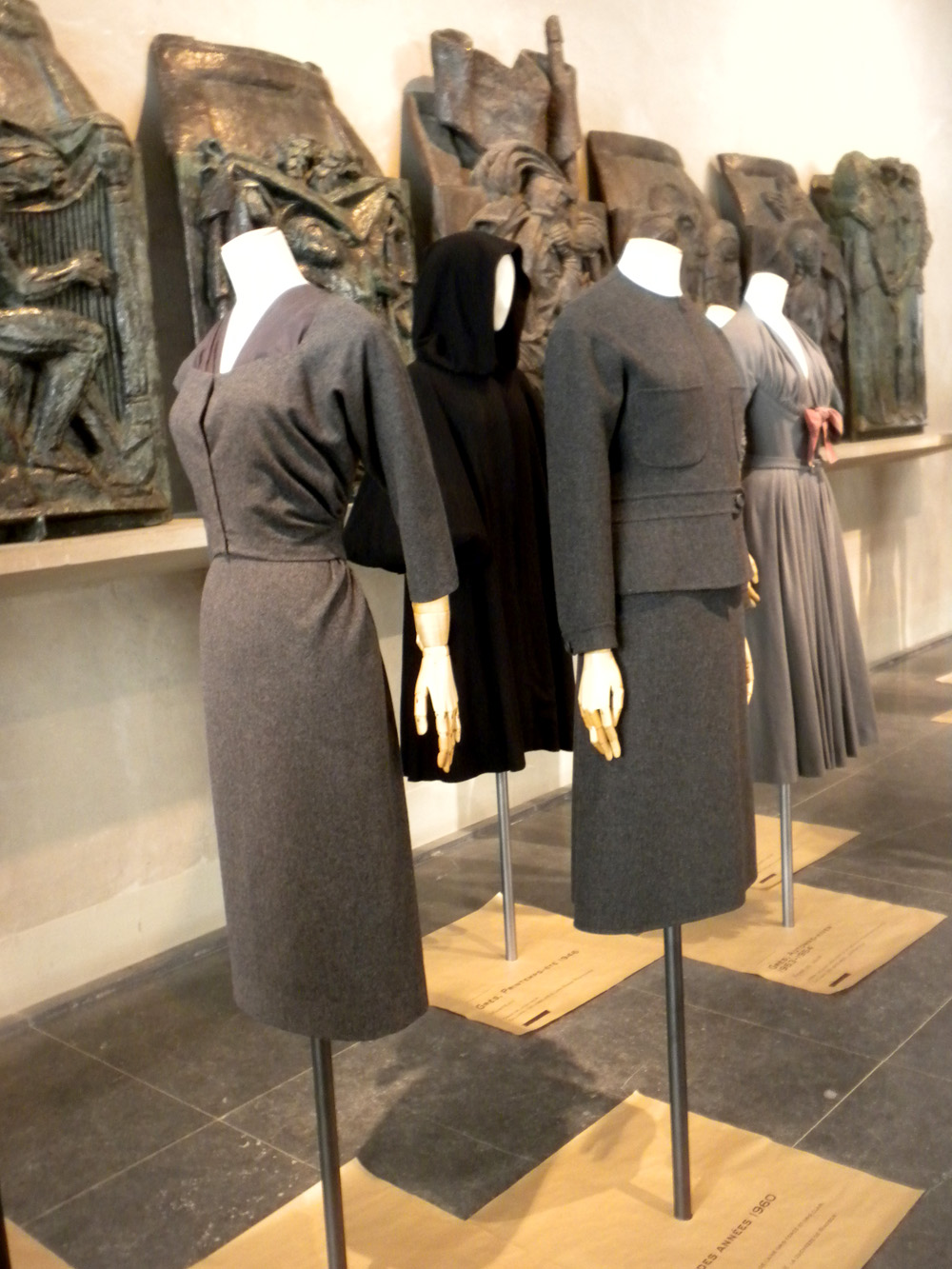 Madame Grés, Suits.
Touring the exhibition was a journey of discovery, especially with the minimal signage (in French only) and the irregular shape of the museum. It was not always obvious to me where to go next, but it mattered little. There was a heightened sense of anticipation of what might be around the corner or in another room. This element of wonder was particularly notable in the Bourdelle studio and apartment, where the sculptor’s tools, furniture and artworks seem to delineate the shaping of the liquid lines of Madame Grés’ creations.
The exhibition includes about eighty designs by Madame Grés from the Musèe Galleria and private collections, fifty original photographs by artists such as Richard Avedon and Guy Bourdin, and one hundred drawings from the Madame Grés archive donated to the museum for this exhibition by Fondation Pierre Berge-Yves Saint Laurent.
What is on display can only be described as exquisite. In many cases, the garments are elevated on wooden plinths that lift the garments to above eye level just as if they were sculptures. This also allows for closer inspection of the mastery of line, shape, form and construction that Madame Grés brought to her work. Each period of Madame Grés career was represented, including her earliest works under the label of Alix. Many of the pieces seemed to be timeless and even modern in their sensibility and it often took a careful look at the labels to correctly discern the date since the designer often revisited certain favorite looks.
 Madame Grés, Later Work.
My only criticism of the exhibition is the unilingual presentation. All the labeling is in French; the exhibition guide is only available in French; and the audio guide, which is available in English, is only for the Musèe Bourdelle sculpture works and includes no information on Madame Grés. Perhaps the museum did not anticipate many non-French speaking visitors to this out-of-the-way gallery, but it would have been wonderful if they had. This is a retrospective worth visiting, especially as the influence of Madame Grés can still be seen today in the work of such designers as Azzadine Alaia, Ralph Rucci and Isabel Toledo.
 Madame Grés, Evening Gowns.
All photos by Ingrid Mida
Ingrid Mida is an artist and writer whose works explores the intersection between fashion and art. She is represented by Loop Gallery in Toronto.

 " Army, Navy, Air Force, Marines," 1993, fabric, wire, vinyl, silkscreen, zipper.
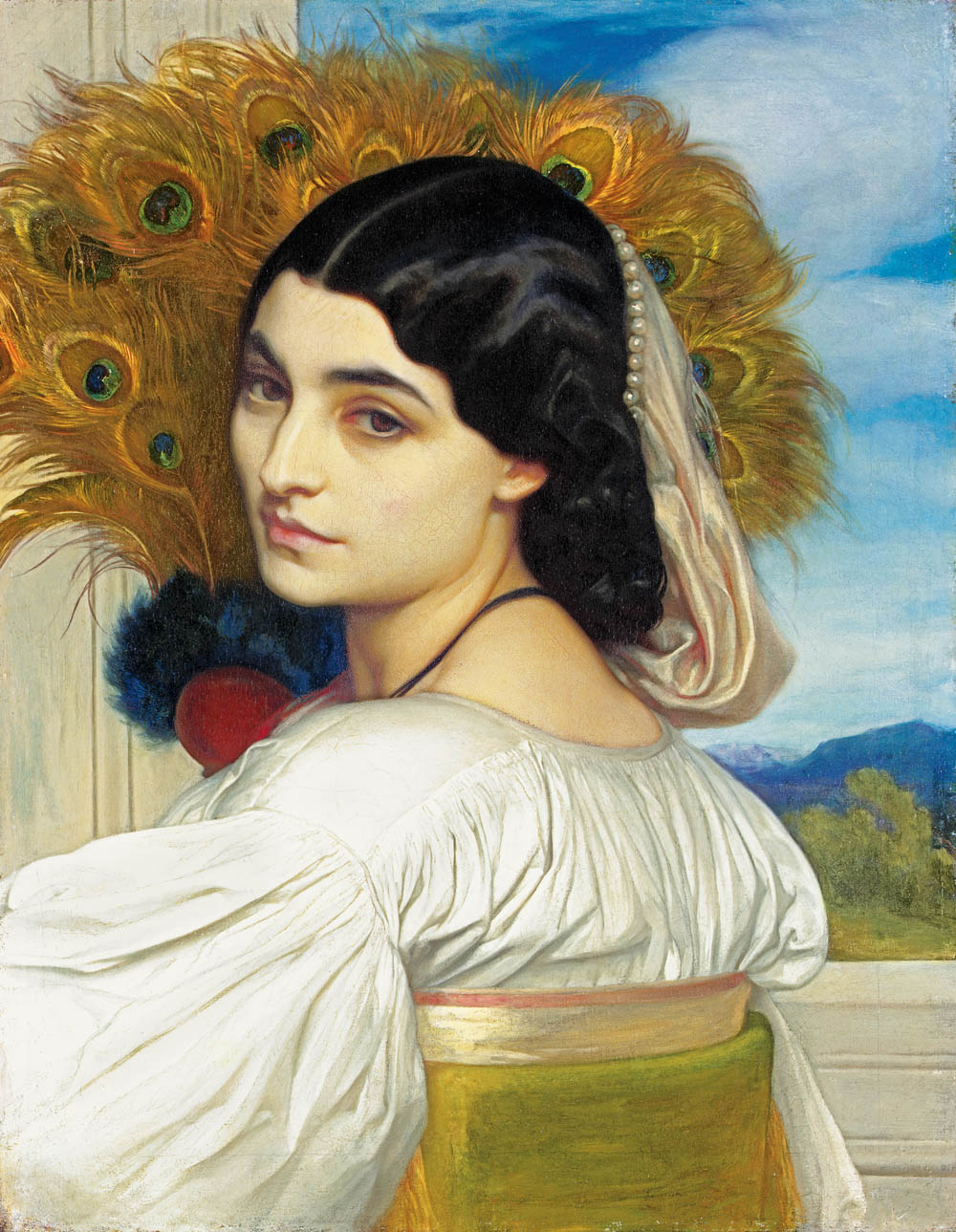
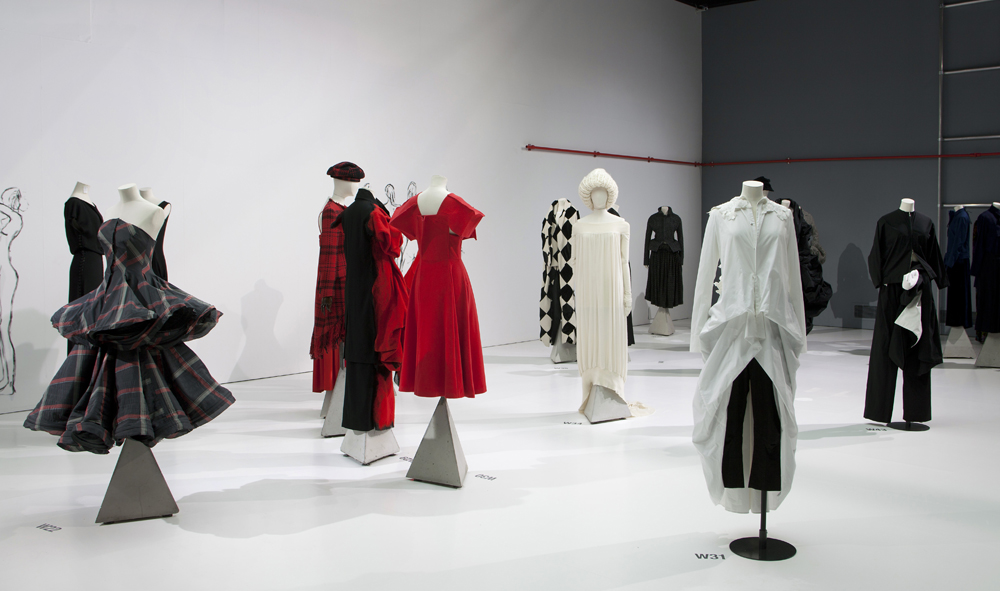





Fashion Projects #5 is devoted to fashion curation, examining the meteoritic rise in relevance of fashion exhibitions.
It features interviews with an eclectic assortment of leading practitioners from different corners of the world. The issue includes long Q&As with Harold Koda, the longtime, recently retired curator of the Met’s Costume Institute, as well as the Museum at FIT’s veteran leader Valerie Steele. It also features interviews with curators in Antwerp (the ModeMuseum’s Kaat Debo), Toronto (Royal Ontario Museum’s Alexandra Palmer) and Venice (Maria Luisa Frisa); academics studying the field (Hazel Clark, Annamari Vänskä, and Alistair O’Neill); and, giving an on-the-ground perspective, the Met’s head conservator, Sarah Scaturro. The issue’s cover stars Greer Lankton’s sculptural representation of legendary Vogue editor and Costume Institute doyenne Diana Vreeland, who continues to loom over the field years after her death.
Table of Contents
Introduction
Showmanship and History: An Interview with Harold Koda by Francesca Granata
Woman of Steele: An Interview with Valerie Steele by Lisa Santandrea
Exploring Fashion’s Openness: An Interview with Kaat Debo by Alex Esculapio
London, After a Fashion Curator: An Interview with Alistair O’Neill by Alexis Romano
Curation and Conservation: An Interview with Sarah Scaturro by Mae Colburn
Reflections on Fashion Curating
An Interview with Hazel Clark and Annamari Vänskä
Fashion in the Vast Museum: An Interview with Alexandra Palmer by Ingrid Mida
Restless Curating: An Interview with Maria Luisa Frisa by Marco Pecorari