
Interview with Tiziana Cardini-LaRinascente Fashion Director
/by Simona Segre Reinach

SSR La Rinascente has often hosted events during the Salone del Mobile of Milan. This year it looks as if you want to be more involved in the actual co-production of an event. How did this develop ?
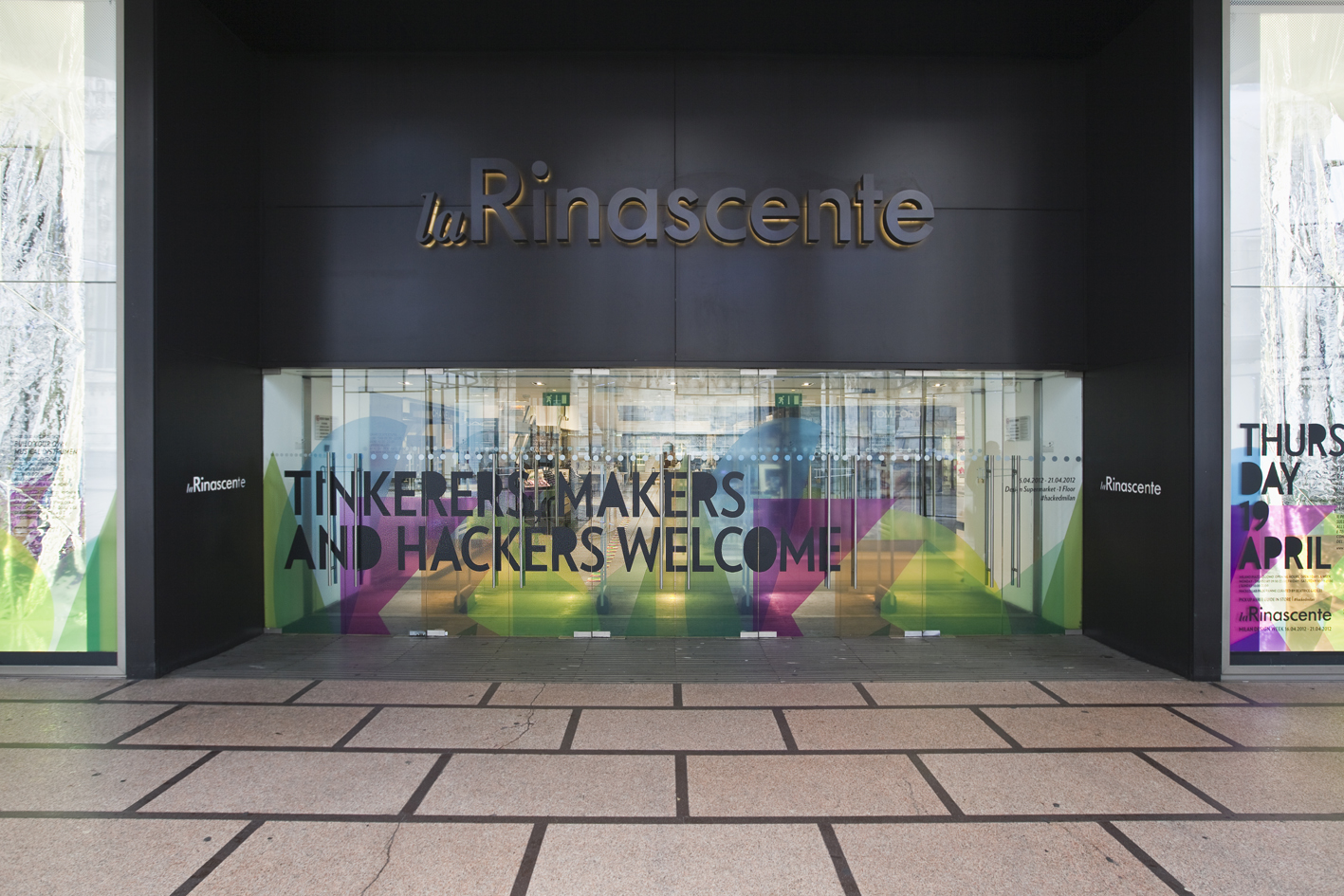
TC: This is the first time laRinascente is totally in charge of a big event. Before we just had partnerships with the likes of Interni.This time we thought that the time was right, we were ready to be part of the excitement of the city during the Salone. We have a strong heritage of relationships with the Milanese designers starting with the 50s and 60s Compassodoro and we have worked in the past with big talents like Bruno Munari, Gio Ponti etc.
SSR: Why hack?
TC: We wanted to choose a concept which crosses art, design and technology and is part of the language of design today and could be understood by today’s design community. It is also a concept that is very of the moment for the artistic community in general. Transforming a reality into something else. It’s a tool. A way of being in a relationship with the creative process.

SSR: Why Beatrice Galilee?
TC: Because she is one of the coolest and most relevant young curators today. She has a great knowledge about today’s trends and design, not to mention she’s very well connected within the design community.
SSR It is a shared idea that the Salone del Mobile (and more generally design) is an open system, which endorses participation from the public – whereas the fashion weeks are the very opposite: elitarian and selfcontained. Is the Hacked event meant to bridge/connect the two worlds – fashion and design –both very well represented at la Rinascente?
TC: No, not really. We wanted to do something really specific about the process of creating design. And we wanted to do something where people can really participate. We weren’t really thinking about working on a different scale, or creating a new relationship with fashion. That wasn’t the aim.
 SSR: What does such an event mean for la Rinascente?
TC: We would like to become a place where these kinds of events, which are interesting on many different levels, take place. We want to be a platform for new designers and and to become an important place for the city where people can experiment and be creative. Milano doesn’t have this at the moment.
SSR As I read in the programme, Hacked is stressing the interaction with the public during the event. Is this just ‘one shot’ or la Rinascente strategy is looking for more interaction and connectivity with its customers? If this is the case could you tell us how you plan to develop more interactions with your customeres?
TC: Of course, we would love to do something like this again, because in the end we want to open the creative process to the public, so they can understand better and understand the exciting things that young designers are doing. We don’t know how exactly yet, but we’ll definitely continue to host these kinds of events and become more and more relevant during the Salone for the interational community.
SSR How has the Milanese fashion system changed since you became fashion director and what in your view should be the role of la Rinascente in the new scenario?
TC: There’s definitely a different customer for fashion, because the markets are enormously open now. We have a world wide audience for fashion, which wasn’t the case even 5 years ago. So, the new markets have a great influence in how fashion is thought of and designed by designers themselves and so the language of fashion has changed, for sure. Chinese, Russians, people from the Middle East and Brazilians consume fashion in a different way. The fashion industry has, naturally, adjusted to their needs.
This change has been felt by laRinascente especially. Today 50% of our customers are tourists, many of whom are used to shopping in department stores, unlike the Milanese who are used to shopping in a much more inimate way, in small boutiques and with personal relationship with the owner and a very personalised service. For tourists, laRinascente is easy and familiiar.



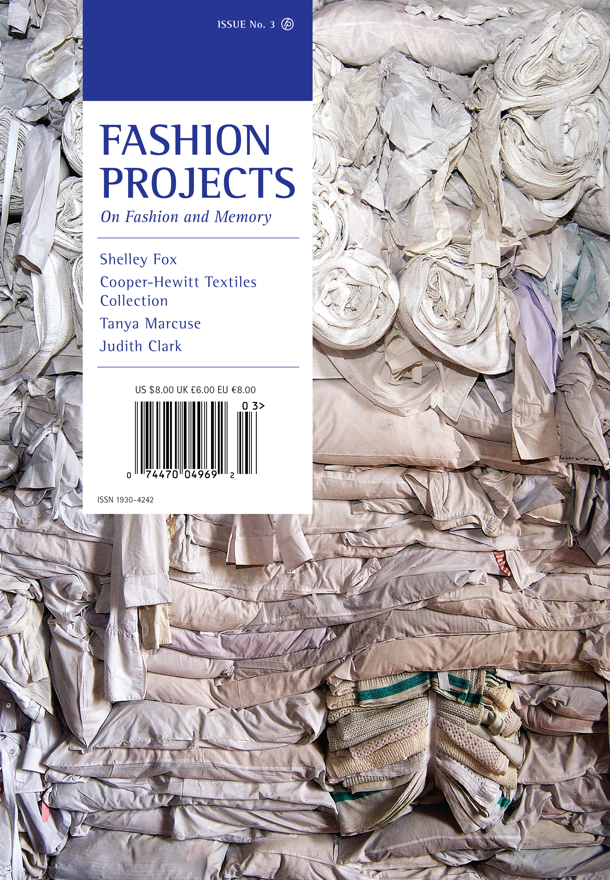


Fashion Projects #5 is devoted to fashion curation, examining the meteoritic rise in relevance of fashion exhibitions.
It features interviews with an eclectic assortment of leading practitioners from different corners of the world. The issue includes long Q&As with Harold Koda, the longtime, recently retired curator of the Met’s Costume Institute, as well as the Museum at FIT’s veteran leader Valerie Steele. It also features interviews with curators in Antwerp (the ModeMuseum’s Kaat Debo), Toronto (Royal Ontario Museum’s Alexandra Palmer) and Venice (Maria Luisa Frisa); academics studying the field (Hazel Clark, Annamari Vänskä, and Alistair O’Neill); and, giving an on-the-ground perspective, the Met’s head conservator, Sarah Scaturro. The issue’s cover stars Greer Lankton’s sculptural representation of legendary Vogue editor and Costume Institute doyenne Diana Vreeland, who continues to loom over the field years after her death.
Table of Contents
Introduction
Showmanship and History: An Interview with Harold Koda by Francesca Granata
Woman of Steele: An Interview with Valerie Steele by Lisa Santandrea
Exploring Fashion’s Openness: An Interview with Kaat Debo by Alex Esculapio
London, After a Fashion Curator: An Interview with Alistair O’Neill by Alexis Romano
Curation and Conservation: An Interview with Sarah Scaturro by Mae Colburn
Reflections on Fashion Curating
An Interview with Hazel Clark and Annamari Vänskä
Fashion in the Vast Museum: An Interview with Alexandra Palmer by Ingrid Mida
Restless Curating: An Interview with Maria Luisa Frisa by Marco Pecorari